

Quick Summary
The best bath soak for relaxation pairs a mineral base like Epsom salts or sea salt with a scent you genuinely enjoy and gentle ingredients that leave skin soft. Keep the water comfortably warm and soak for 15 to 20 minutes for the most calming effect.
- Look for a mineral base such as Epsom salts (magnesium sulfate) or sea salt.
- Choose a scent that makes you feel settled, such as lavender or eucalyptus mint.
- Dissolve about 3 oz of Bath Salts in a standard 40-gallon bath.
- Keep the water comfortably warm and limit soaks to 15 to 20 minutes.
- Patch test first, since fragrance is the most common cause of irritation.
Table of Contents
- What Makes a Bath Soak Good for Relaxation
- Comparing Our Three Bath Products Side by Side
- Best Bath Salts for Relaxing: Epsom Salt and Sea Salt Blends
- Relaxing Bath Soak Ingredients to Look For
- Bath Soak for Sore Muscles: What the Magnesium Can and Cannot Do
- How to Make a Relaxing Bath, Step by Step
- Sensitive Skin, Bath Temperature and Safe Soaking
- Choosing Your Relaxation Ritual Today
- Frequently Asked Questions
What Makes a Bath Soak Good for Relaxation
Last Updated: November 19, 2026
Most people buy a bath soak hoping it will melt away a long week. The best bath soak for relaxation does more than smell nice, though. It combines warm water, a calming scent and ingredients that feel gentle on the skin. This guide walks through how to tell a good one from a disappointing one.
A relaxing bath soak is a product dissolved in warm water to create a soothing, fragrant soak. The best ones pair a mineral base with a scent you actually enjoy, and they leave your skin soft rather than stripped.
Three qualities separate a relaxing soak from a forgettable one:
- A mineral base. Epsom salts (magnesium sulfate) and sea salt are the most common choices.
- A scent you like. Lavender and eucalyptus mint are popular scents. Pick the one that makes you feel settled, not the one that sounds most fashionable.
- Gentle ingredients. A soak you will use often should not irritate your skin. Check the ingredient list before you buy.
Keep the water comfortably warm rather than very hot.
Comparing Our Three Bath Products Side by Side
We make three products that suit different kinds of relaxation. Here is how they compare.
| Product | Price | Best For | Key Features |
|---|---|---|---|
| Bath Salts | $18.00 | Full-body soak and mood | Epsom salts, sea salt, fragrance, vegan |
| Bubble Bath | $21.00 | A bubbly, playful bath | Sulfate free, all natural, vegan |
| Vegan Bar Soap | $12.00 | Everyday cleansing | Sulfate free, rich lather, vegan |
Price
Bath Salts are our bath salts blend of Epsom salts and sea salt. We recommend dissolving 3 oz in a standard 40-gallon hot bath, and eucalyptus mint and lavender are our top-selling scents.
Bubble Bath is our all natural, sulfate free bubble bath. View the Bubble Bath to see the product details for yourself. Use 3 to 4 oz per standard bath. Eucalyptus mint, grapefruit and rose are our best sellers.
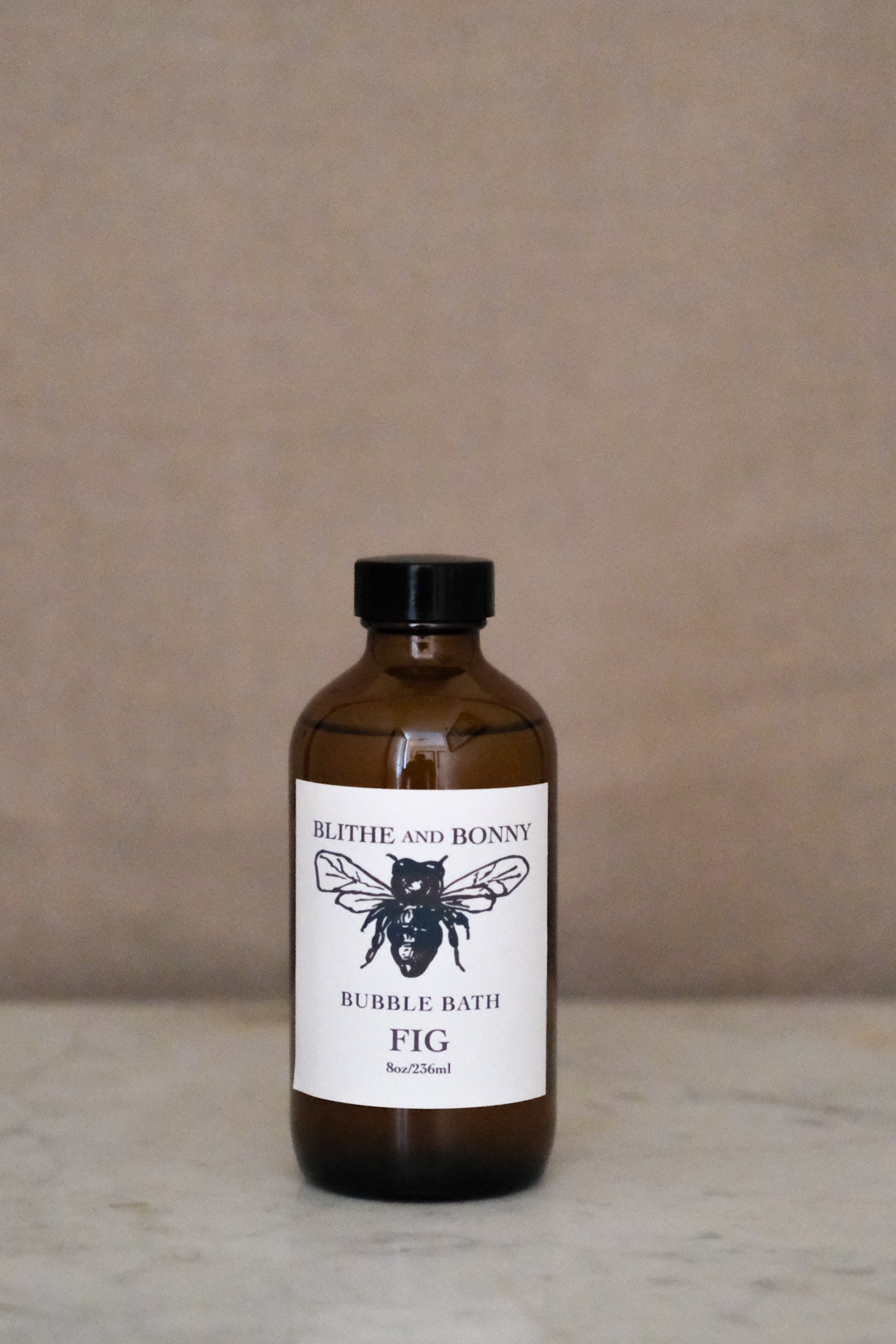
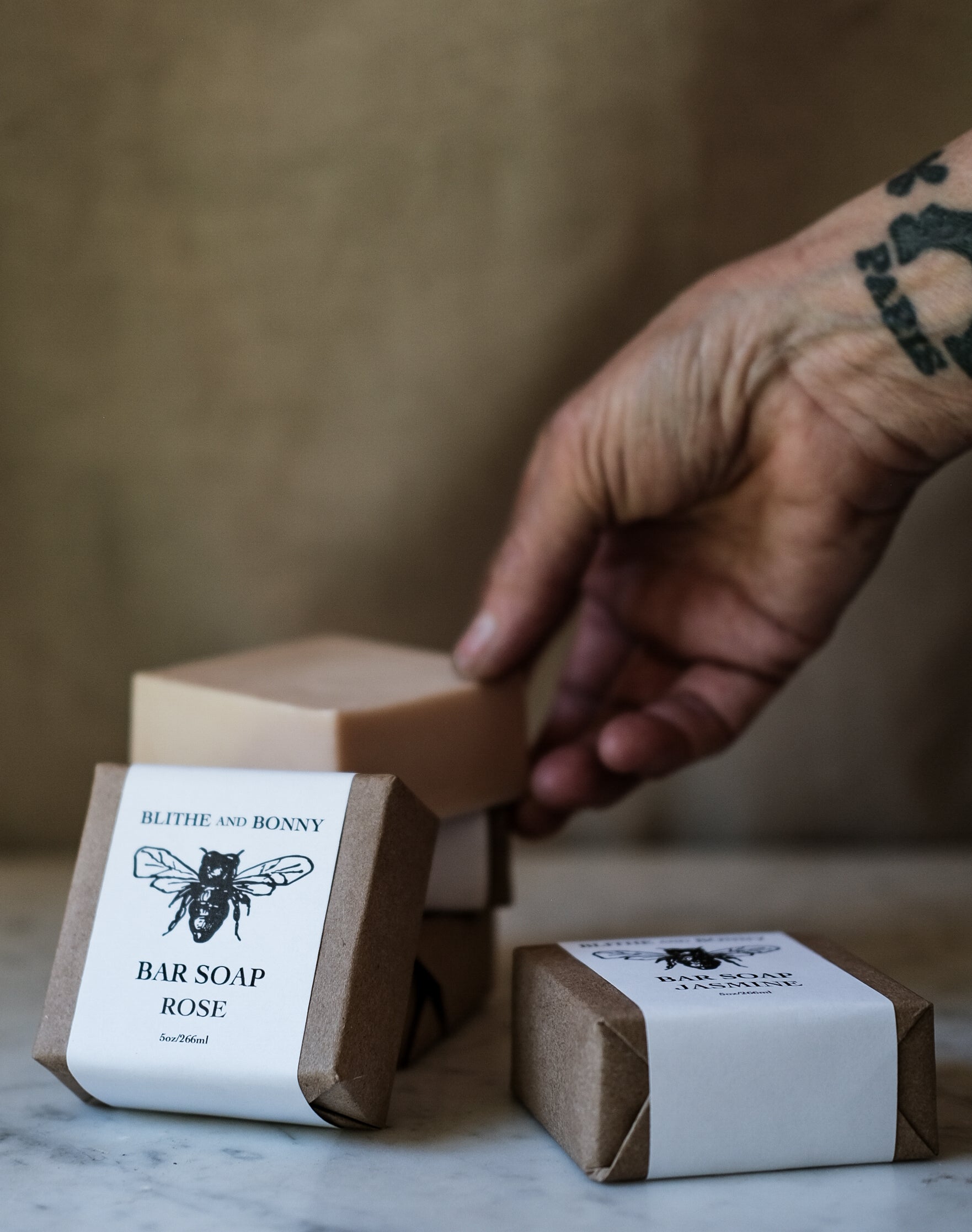
Vegan Bar Soap is a sulfate-free, hand wrapped bar soap that produces a rich lather and mild cleansing.
Best Bath Salts for Relaxing: Epsom Salt and Sea Salt Blends
Epsom salt and sea salt are two common bath salt bases, and our Bath Salts combine both. Epsom salt is magnesium sulfate.
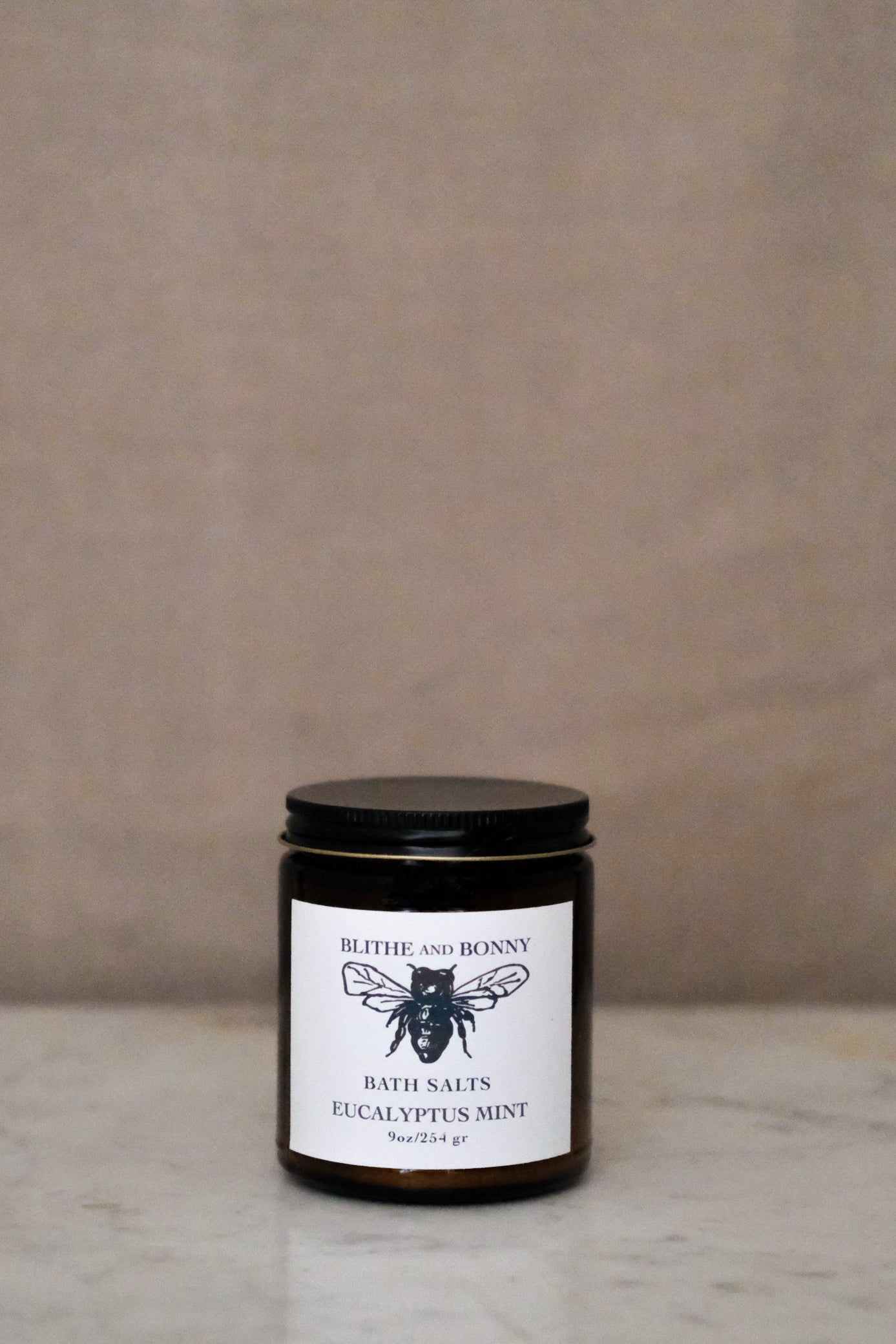
Our Bath Salts come in a 9 oz amber glass jar with a metal screw-top lid, priced at $18.00. We recommend dissolving 3 oz for a standard 40-gallon hot bath. The product is listed as vegan, and the fragrance is phthalate free.
Relaxing Bath Soak Ingredients to Look For
When you read a label, a few ingredients matter more than the rest.
- Magnesium sulfate (Epsom salt). The base of most relaxing soaks. It dissolves easily in warm water.
- Sodium chloride (sea salt). Adds texture and a mineral feel.
- Essential oils or fragrance oils. Lavender and eucalyptus are common for a calming scent. Look for clearly labeled options if you prefer phthalate-free fragrance.
- Plant-based extracts. Our Bubble Bath includes extracts such as organic chamomile flower and organic aloe vera leaf.
Check every ingredient list against your own sensitivities. A product that works for one person can bother another.
Bath Soak for Sore Muscles: What the Magnesium Can and Cannot Do
What the warm water reliably does. A comfortably warm bath raises skin temperature and increases blood flow near the surface. Most practitioners find that this warmth is what loosens the feeling of stiffness after exercise or a long day standing. The effect is temporary and mechanical, not a treatment for injury. A 15- to 20-minute soak at roughly 98 to 100 degrees Fahrenheit is the common range; water above about 104 degrees Fahrenheit tends to leave people feeling drained rather than restored.
What the magnesium evidence actually supports. Epsom salt is magnesium sulfate, and the label logic is that magnesium drawn through the skin relaxes muscle. That claim is where the evidence gets thin. The established finding is that a warm soak feels good and can support relaxation; the limited finding is that meaningful magnesium crosses intact skin in a short bath. Most dermatology and sports-medicine sources treat transdermal magnesium absorption as unproven rather than settled, and no major United States regulator has approved a bath soak to treat muscle soreness. So the honest framing is: the soak helps you feel looser and calmer, and the magnesium is a plausible bonus rather than a proven delivery system.
A practical sore-muscle soak routine.
- Soak within a few hours of the activity, not immediately after intense exertion. Let your heart rate settle first.
- Keep the water warm, not hot. Warm water relaxes; very hot water can leave you lightheaded.
- Measure the soak. For our Bath Salts, about 3 oz in a standard 40-gallon tub is the label rate. More is not better and can leave a slippery film.
- Stay in 15 to 20 minutes. Longer soaks strip more of the skin's natural oils.
- Rinse if you are prone to dryness, then moisturize. Salt residue left on skin can feel tight.
When a soak is the wrong tool. A bath soak is not a treatment for a muscle tear, a sprain, or persistent pain. If soreness lasts more than a few days, comes with swelling or bruising, or limits movement, see a healthcare provider rather than soaking longer. People with diabetes-related nerve damage should be especially careful with water temperature, because reduced sensation makes it easy to overheat without noticing.
Watch out: pairing a very hot soak with alcohol or with standing up quickly afterward is a common cause of dizziness, so keep the water moderate and rise slowly.
How to Make a Relaxing Bath, Step by Step
A calming bath does not need to be complicated. Here is a simple routine.
- Run the water warm, not scalding. Comfortably warm is enough for most people.
- Measure your soak. For our Bath Salts, use about 3 oz for a standard 40-gallon bath. For Bubble Bath, use 3 to 4 oz.
- Add the product while the tub fills. Moving water helps the salts dissolve evenly.
- Dim the lights and set a timer. Fifteen to twenty minutes is a common soak length.
- Finish with a moisturizer. Warm water can leave skin feeling dry, so a light body oil afterward helps.
Sensitive Skin, Bath Temperature and Safe Soaking
Most bath-soak roundups sell scent and skip the part that decides whether you can actually use the product: whether your skin will tolerate it, how hot the water should be, and when a soak is a bad idea. This section is the practical filter the rest of the category leaves out.
Fragrance is the usual culprit. Fragrance, whether from essential oils or fragrance oils, is the most common cause of irritation in bath products. If your skin reacts easily, the safest path is a fragrance-free soak or a plain Epsom or sea salt bath with no added scent. If you want scent, choose a single clearly labeled note such as lavender rather than a multi-note blend, because fewer ingredients means fewer things to react to. Patch test first: dissolve a small amount in a cup of warm water, apply to the inner forearm, and wait 24 hours.
Ingredient watch list for reactive skin.
- Added fragrance and essential oils. Even "natural" essential oils such as eucalyptus and peppermint can sting sensitive skin or mucous membranes.
- Dyes and colorants. They add nothing to relaxation and are a common irritant.
- Foaming surfactants. Bubble products can strip oils; a salt soak is usually gentler than a bubble bath for reactive skin.
- Exfoliating salts. Coarse sea salt feels good on most skin but can sting on shaved legs, sunburn, or eczema flares.
Temperature and duration. Keep the water comfortably warm, roughly 98 to 100 degrees Fahrenheit, rather than hot. Limit soaks to about 20 minutes. Hot water and long soaks both pull oils from the skin and can leave you feeling tired rather than restored. If you feel lightheaded, get out and cool down rather than pushing through.
Hydration and aftercare. Drink water before and after a warm soak, since a long bath can leave you mildly dehydrated. Pat skin dry rather than rubbing, and apply a moisturizer within a few minutes while skin is still damp to lock in water. Salt residue left on the skin can feel tight, so a quick rinse helps if you are prone to dryness.
When to skip the soak or check with a clinician. Avoid long hot soaks with open wounds, active eczema or psoriasis flares, or a skin infection. People with heart conditions, low blood pressure, or diabetes-related nerve damage should ask a healthcare provider before regular hot soaks, because heat and reduced sensation raise the risk of dizziness or burns. Pregnancy is another case where a shorter, cooler soak is the common recommendation.
A fragrance-free path. If you want the ritual without the scent risk, a plain Epsom or sea salt soak with no fragrance added gives you the warm-water relaxation and the mineral feel with the fewest ingredients. Our Bath Salts are vegan and use phthalate-free fragrance oils or essential oils, so patch testing remains a sensible first step for any product.
Watch out: test a new soak on a small area before using it in a full tub.
Choosing Your Relaxation Ritual Today
The best bath soak for relaxation is the one you will actually use. If you want a mineral-rich soak, start with our Bath Salts at $18.00. If you prefer a bubbly bath, the Bubble Bath at $21.00 is a good fit. If you want a sulfate-free bar soap, the Vegan Bar Soap at $12.00 is another option. Browse our full collection to find the scent and ritual that suit you.
Frequently Asked Questions
What is the best bath soak for relaxation?
The best bath soak for relaxation depends on what you want from the soak. Blithe and Bonny's Bath Salts, at $18.00 for a 9oz jar, combine Epsom salt, sea salt and fragrance, and the brand notes that eucalyptus mint and lavender are its top sellers. For a soak with more foam, the Bubble Bath at $21.00 is sulfate free and uses 3-4 oz per standard 40-gallon bath. The Vegan Bar Soap at $12.00 is a sulfate-free bar soap.
What can I put in my bath to help relax?
Most relaxing baths combine warm water with a bath salt, such as Epsom salt or sea salt, and a calming scent like lavender or eucalyptus. Blithe and Bonny recommends dissolving 3 oz of its Bath Salts in a standard 40-gallon hot bath. Keep the water warm rather than very hot.
Are bath salts or bath soaks better for relaxation?
Bath salts and bath soaks serve different purposes. Bath salts dissolve into the water and add minerals and scent to a warm soak, while bubble bath adds foam and a softer, more playful feel. Choose based on the experience you enjoy.
Can a bath soak help with stress or anxiety?
The ingredients in a bath are not a treatment for stress or anxiety, and no bath product should be presented as one. If stress or anxiety is affecting your daily life, talk with a qualified healthcare professional.
